

The Future of Industrial Composite Solutions
May 2, 2026
Expert Content
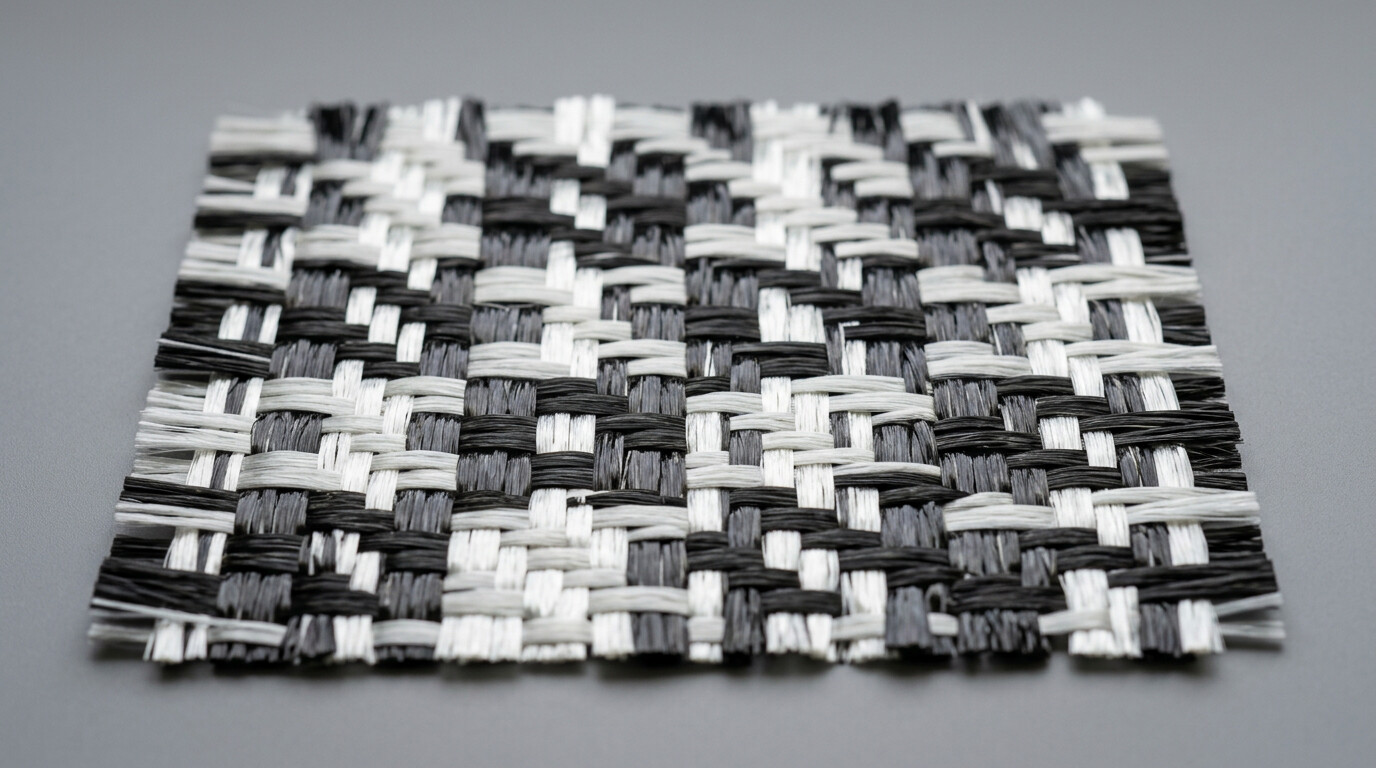
Composite materials are rapidly replacing traditional metals across many sectors. Thanks to their light weight, durability, corrosion resistance and design flexibility, their use in automotive, energy, construction and defense grows every year. Several key trends stand out that will accelerate this growth in the coming period.
In this article we cover the technological and sector trends shaping the future of industrial composite solutions.
Trends Shaping the Future
The main topics setting the direction of composite technology in the coming years are:
- Electric vehicle lightweighting: Structural parts that reduce vehicle weight to extend range.
- Wind turbine blades: Longer, lighter and more efficient blade designs.
- 3D printed composites: Rapid prototyping and production for complex geometries.
- Recyclable composites: Thermoplastic resins and a circular-economy approach.
- Smart composites: Structures with embedded sensors that can monitor their own condition.
Sector Impact Table
| Sector | Expected Impact | Key Application |
|---|---|---|
| Automotive | Lightweighting, range increase | Chassis and body parts |
| Energy | Efficiency increase | Turbine blades |
| Construction | Corrosion-free strength | Reinforcement profiles |
| Defense | Strength-to-weight | Protective panels |
Sustainability and Recycling
One of the most important topics facing the composite sector is sustainability. While traditional thermoset resins create structures that are difficult to recycle, emerging thermoplastic composites and new recovery methods aim to extend the material's life cycle. The circular-economy approach will become a decisive criterion in material selection in the future.
Digitalization in Manufacturing
Simulation, digital twin and automation technologies are making composite manufacturing more predictable and repeatable. Simulating the laminate design in advance reduces faulty production and shortens development time. These digital tools make it possible for even small manufacturers to reach high engineering quality.
Market Growth Dynamics
The global composite market is growing steadily due to pressure for lightweighting and energy efficiency. Emission targets in automotive, the shift to renewable sources in energy, and the need for durable infrastructure in construction are factors that directly increase composite demand. This growth is not limited to large manufacturers; mid-sized producers that work with the right engineering approach also capture significant opportunities in value-added niche applications.
Opportunities for Emerging Manufacturers
Thanks to a strong manufacturing base and favorable geography, regions like Turkey hold a competitive position in composite production. The development of local engineering capacity reduces dependence on imported products while increasing export potential. A wide range of applications, from amusement-park equipment to industrial enclosures, from agricultural equipment to municipal products, creates a sustainable growth area for local manufacturers. With the right material and process selection, these opportunities can be turned into concrete products that compete on both quality and price in international markets.
Innovations in Material Development
Advances in resin chemistry continuously expand the limits of composites. Faster-curing resins increase production speed, while bio-based resins reduce the environmental footprint. Structures that use carbon and glass fiber in hybrid form make it possible to strike new balances between cost and performance. Nano-additives, meanwhile, improve properties such as impact resistance and surface quality. These innovations make composites a genuine alternative in many applications where metal was previously mandatory.
Takeaways for Designers
Success in future composite projects depends on involving the material in the design at an early stage. When part geometry, load direction and production method are planned as a whole, the freedom that composites offer can be fully exploited. For this reason, early collaboration between engineering and production teams is the most effective approach to reducing both cost and development time. Investing in skilled engineers who understand laminate design, resin chemistry and production processes remains the single most decisive factor in unlocking the full potential of composite materials.
MOE Kompozit follows these trends to offer its customers composite solutions suited not only to today's needs but also to those of the future.
Request a Technical Quote for Your Composite Project
Let us align material choice, production route, quantity and lead time, then prepare a project-specific quote for your carbon fiber, FRP or fiberglass application.
Get Quote