

Differences Between FRP and Fiberglass
May 2, 2026
Expert Content
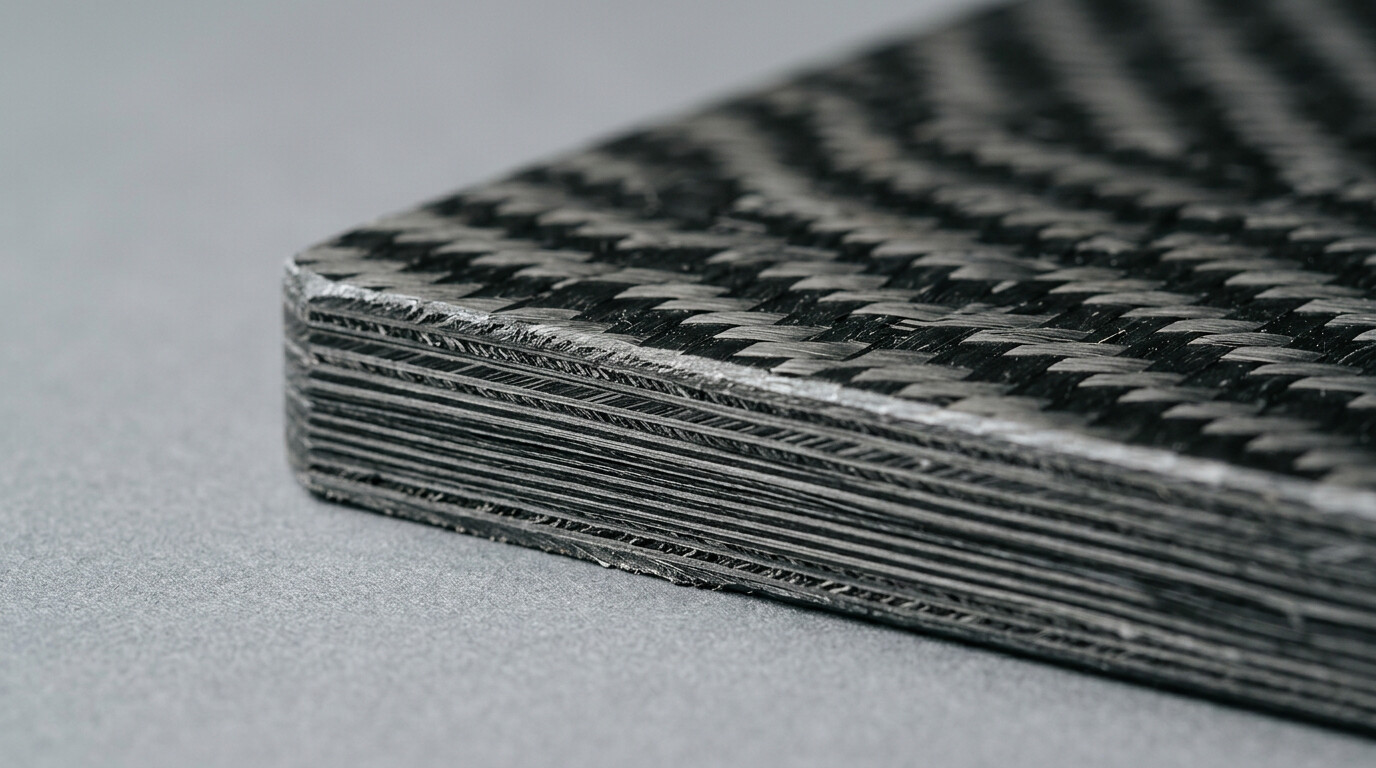
FRP (Fiber Reinforced Polymer) and fiberglass are often used interchangeably in everyday language, yet technically they do not mean exactly the same thing. Fiberglass is the broad, general name for glass-fiber reinforced structures. FRP describes a polymer composite reinforced with fibers, where glass fiber is the most common reinforcement. Understanding this distinction is critical to selecting the right material for a project.
In this article we clarify the FRP and fiberglass concepts, the differences between them, and which one to prefer in which situation.
What is FRP?
FRP is a composite material in which a polymer resin is reinforced with fibers, most commonly glass. Thanks to its mechanical strength, chemical resistance and favorable cost/performance balance, it is widely used in industrial bodies, covers, panels, tanks and protective parts. The flexibility of the production methods makes it suitable for everything from small custom parts to series production.
What Does Fiberglass Mean?
Fiberglass is the general term for glass-fiber reinforced composites and can involve different resin systems (polyester, vinylester, epoxy). In other words, glass-reinforced FRP is a type of fiberglass, but the term fiberglass is broader. Therefore the resin type, production method and target performance must be clarified separately when making a technical decision.
Key Differences Table
| Criterion | FRP (Glass Reinforced) | General Fiberglass |
|---|---|---|
| Resin | Polymer (polyester/vinylester/epoxy) | Varies by application |
| Scope | Specific composite class | Broad, general term |
| Cost | Economical to mid-range | Depends on resin |
| Typical use | Tanks, panels, bodies, covers | Insulation, marine, automotive |
Production Methods
Glass-fiber reinforced parts can be produced by different methods, and the chosen method directly affects the quality and cost of the part:
- Hand lay-up: Flexible and economical for low volumes and large parts.
- Spray-up: Efficient for surfaces that need fast coverage.
- RTM (resin transfer molding): Repeatable, for parts that need two smooth surfaces.
- Pultrusion: A continuous process for constant cross-section profiles and rods.
How to Choose the Right Material
The right choice is made by evaluating factors such as the operating environment, chemical exposure, mechanical load, temperature and surface expectations together. For example, a vinylester-resin fiberglass structure may be suitable for a tank exposed to chemical attack, while an economical polyester FRP solution may be better for a standard cover. When deciding, the focus should be on technical requirements, not just naming.
Advantages and Disadvantages
Glass-fiber reinforced composites offer significant advantages over metals, such as light weight, corrosion resistance and ease of molding. Electrical insulation and low maintenance cost are also reasons for preference in many industrial applications. On the other hand, lower stiffness and temperature resistance compared to carbon fiber can be limiting in some high-performance applications. For this reason FRP and fiberglass provide the most sensible solution in projects where the strength/cost balance is prominent.
In Which Sectors Is It Used?
FRP and fiberglass structures are used across a very wide field, including water and chemical storage tanks, treatment equipment, marine hulls, automotive panels, construction reinforcement profiles and municipal equipment. The main reason for this prevalence is that the material does not corrode and can be easily adapted to different geometries. Especially in applications that expect a long life outdoors or in chemical environments, it lowers the total cost of ownership compared to metal alternatives.
Maintenance and Long Life
One of the biggest advantages of FRP and fiberglass products is their low maintenance requirement. Because they do not corrode, they do not need regular painting or rust protection like metal structures. Nevertheless, it should be remembered that the gelcoat layer on the surface can dull over time under UV exposure; although this does not affect structural strength, it can be addressed with periodic surface care. A properly produced FRP part can serve for decades under suitable conditions, and this long life more than compensates for the initial investment cost.
MOE Kompozit analyzes the technical requirements of the project to recommend the right resin and production method, and runs the process together from the sample stage to series production.
Request a Technical Quote for Your Composite Project
Let us align material choice, production route, quantity and lead time, then prepare a project-specific quote for your carbon fiber, FRP or fiberglass application.
Get Quote